Grooming your Bengal cat is not just about keeping them looking fabulous; it's also key to their health and happiness. These lovelies have a short, sleek coat that doesn't mat easily, which makes grooming a breeze compared to long-haired breeds. Still, regular grooming helps to reduce shedding and keep their coat shiny. Plus, it’s a great way to bond with your furry friend!
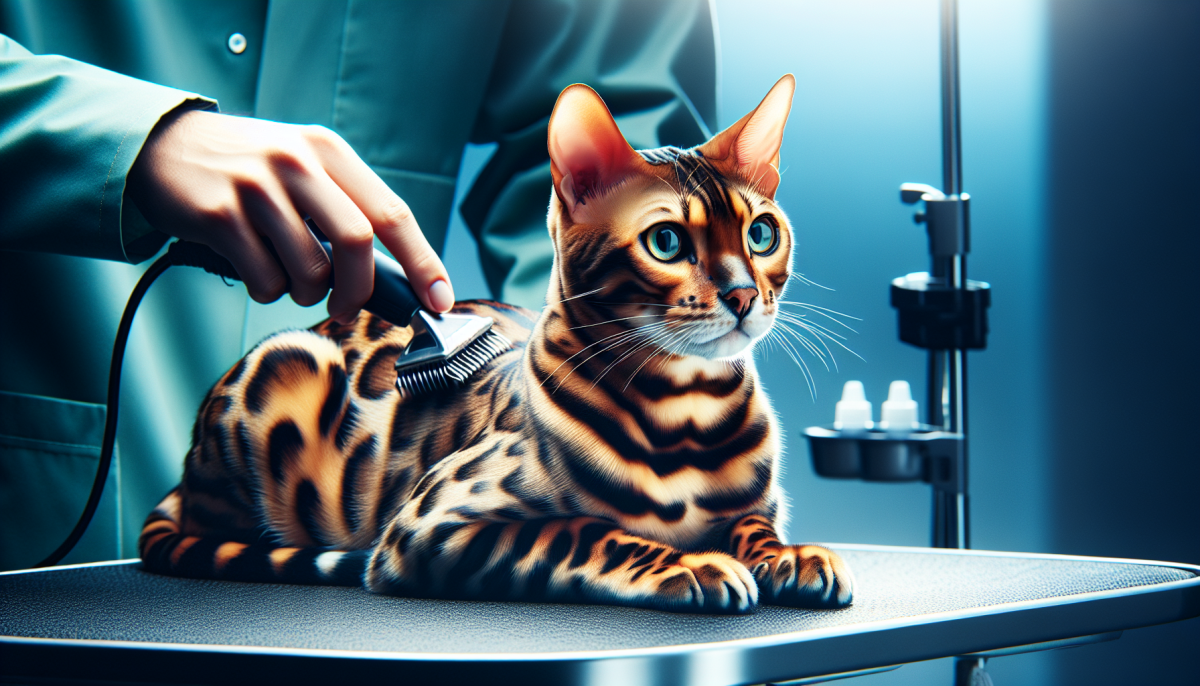
Start by brushing your Bengal once a week with a slicker brush or a rubber grooming mitt. This will help remove loose hairs and dirt without irritating their skin. They usually enjoy being brushed, so make it a fun activity with some cuddles and maybe a treat afterward. If you notice some knots, don't panic. Gently work them out with your fingers or a comb. If it’s too tough, you might need to trim the area, but be careful!
Bathing your Bengal isn’t typically necessary unless they really get into something messy. If you do need to give them a bath, opt for a cat-friendly shampoo. Make it a smooth process by preparing everything ahead of time. Ensure the water is warm, not hot, and rinse thoroughly to remove all soap. After the bath, wrap them in a towel and gently dry them off. Some Bengals might even enjoy a little blow-drying on a low setting; just make sure they’re comfortable with the noise.
Lastly, keep an eye on their nails. Regular trimming will help prevent scratches and damage to your furniture. Aim to trim every couple of weeks. If you're unsure, ask your vet for a quick tutorial. Also, don’t forget about dental care! Brush their teeth with toothpaste made for cats. It’s important for their overall health and will help keep their grin as beautiful as they are.
Brushing Techniques for Healthy Fur
Brushing your Bengal cat might seem straightforward, but there's a bit of an art to it. They have short, dense fur that feels amazing but can get a little messy if you don't keep up with it. Regular brushing helps remove loose hairs and keeps their coat looking sleek and shiny.
Start with a soft-bristle brush or a rubber grooming mitt. These tools are gentle and great for loosening up dirt without irritating your cat's skin. Begin brushing from the head and work your way down to the tail. Make sure to go with the direction of their fur to avoid any tangles or discomfort. Bengals love being pampered, so make it a fun bonding experience!
Don’t forget to pay attention to areas where dirt can build up, like behind the ears and under their chin. A quick extra brush in those spots can make a world of difference. If your Bengal has a favorite spot, use that to your advantage. They might just let you brush them longer if they’re comfortable and relaxed. And remember, keep the sessions short and sweet if they're not in the mood.
Finally, know when to up your game. During shedding seasons, which usually happen in spring and fall, you might need to brush them more often. A de-shedding tool can come in handy during these times. You'll be amazed at how much loose fur you collect, and your cat will appreciate the extra attention! Regular grooming keeps your Bengal looking stylish and helps reduce hairballs — a win-win for both of you!
Bathing Your Bengal Cat Made Easy
Bathing your Bengal cat can sound like a daunting task, but it doesn’t have to be! Bengals are known for their love of water, so your kitty might actually enjoy splash time. Just remember, a calm environment makes for a smoother experience.
Before you start, gather everything you need: a cat-friendly shampoo, towels, a cup for rinsing, and a non-slip mat for the tub or sink. Using a shampoo specifically designed for cats ensures you won’t irritate their sensitive skin. Avoid human shampoos—they’re not safe for our furry friends.
When you’re ready, fill the tub or sink with just a couple of inches of lukewarm water. Start by gently wetting your Bengal's fur, using the cup to pour water slowly. Bengals have thick, luxurious coats, so be sure to soak them well. Apply the shampoo and lather it up, focusing on the areas that might need a little extra love, like their paws and belly.
Rinsing is key! Make sure to wash out all the shampoo to keep your kitty’s skin healthy. Once the suds are gone, wrap your Bengal in a towel and gently pat them dry. If your cat seems comfy, you can even try using a pet dryer on the lowest setting, keeping it at a distance.
After bath time, give your furry friend some tasty treats and lots of cuddles. This will help them associate bathing with good things. With this approach, grooming your Bengal cat can turn into a fun bonding experience for both of you!
Nail Care and Ear Cleaning Tips
Keeping your Bengal cat looking and feeling great involves a little extra care for their nails and ears. These two areas often get overlooked, but they’re super important for your cat’s overall health. Let’s dive into some easy tips to help you manage nail care and ear cleaning.
First off, nail trimming is a must. Bengal cats are known for their energetic play and climbing, so their claws can get long quickly. Aim to trim their nails every 2-3 weeks. Use a cat-specific nail clipper for the best results. Just gently squeeze the clipper, and if you can see a pink area (the quick), be careful not to cut that part. If you aren't sure, just trim a little at a time. You can also provide scratching posts to naturally wear down those claws!
Now, onto ear cleaning. Bengal cats are usually pretty clean, but checking their ears regularly helps prevent problems. Look for any dirt, wax buildup, or signs of infection like bad smell or redness. If you notice any issues, grab some vet-recommended ear cleaning solution. Use a cotton ball or pad to wipe gently inside the ear, but skip the deep dives; you don't want to hurt their sensitive ear canals. Doing this about once a month can really keep their ears healthy.
Make grooming a positive experience by giving your cat treats and lots of praise. This way, they’ll associate nail and ear care with fun and love. With regular maintenance, you’ll keep your Bengal happy and healthy, and you both will enjoy your cuddle time even more!